October 28, 2026
Reflections on the ICOM CITIES Workshop in Saint-Denis (14 October 2026): Translating Migration into Urban Museum Practice Events, Network, Workshop
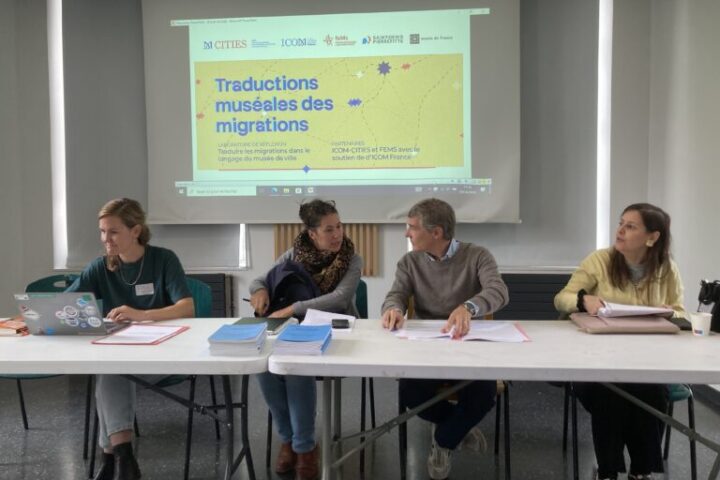
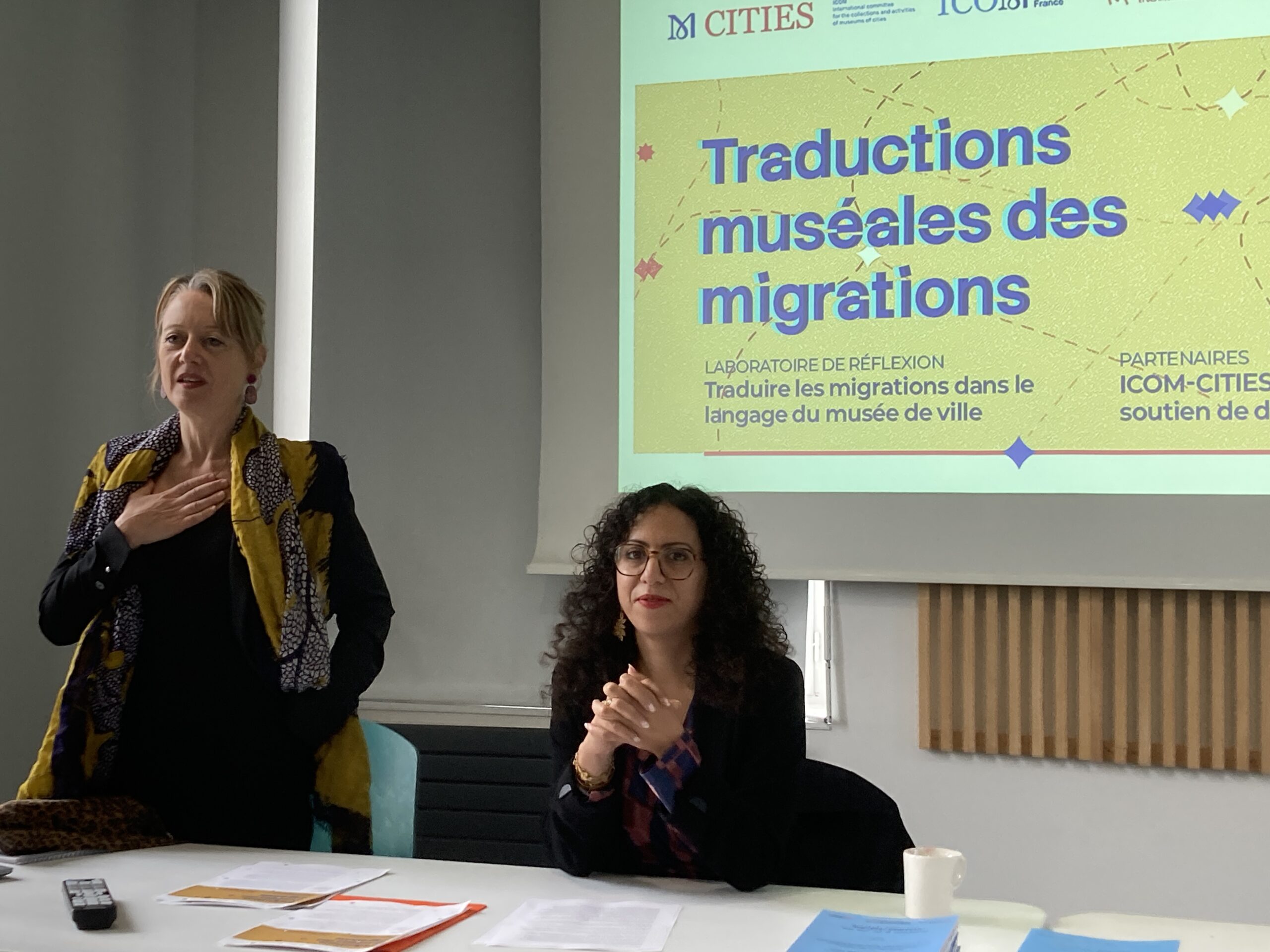
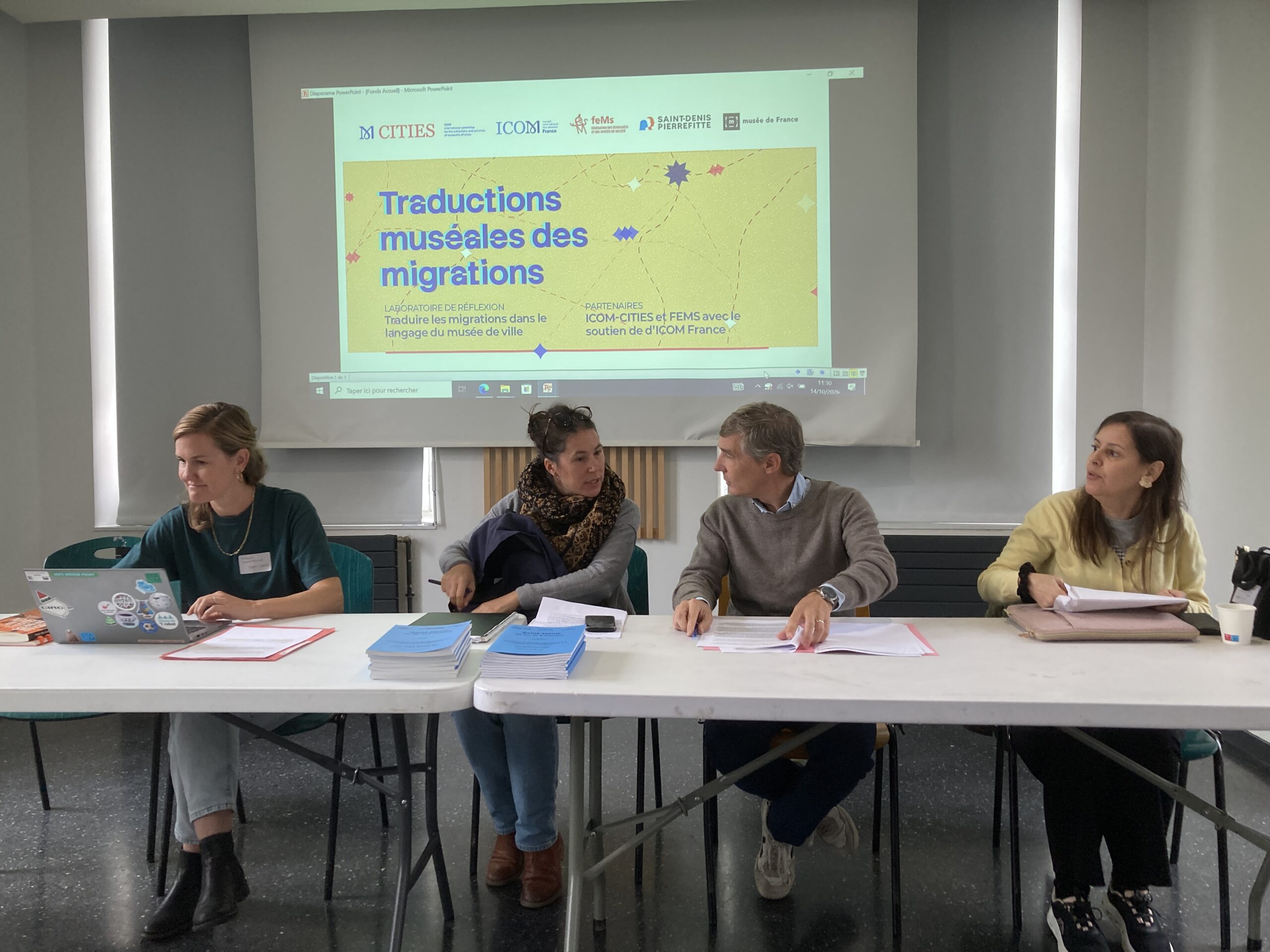
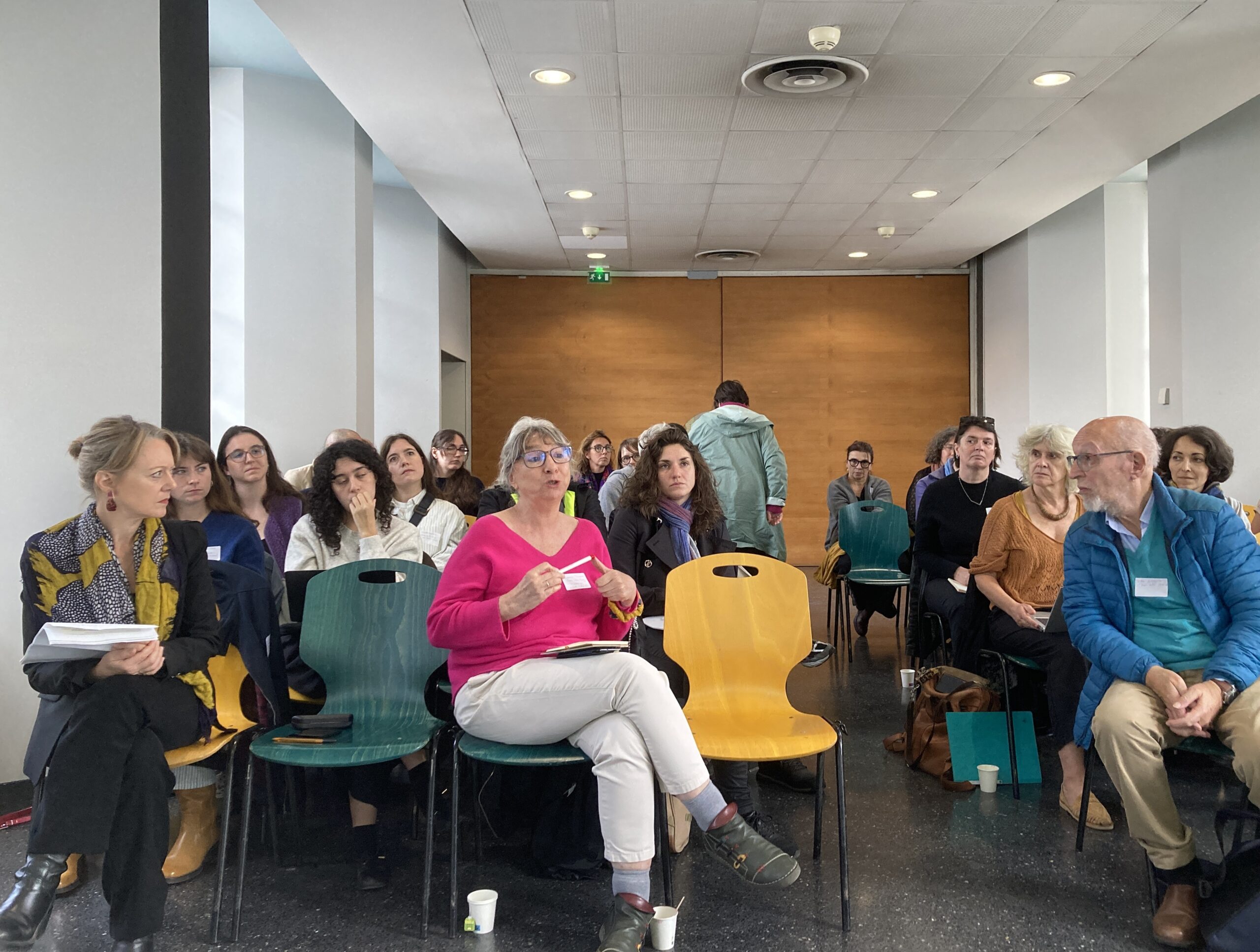
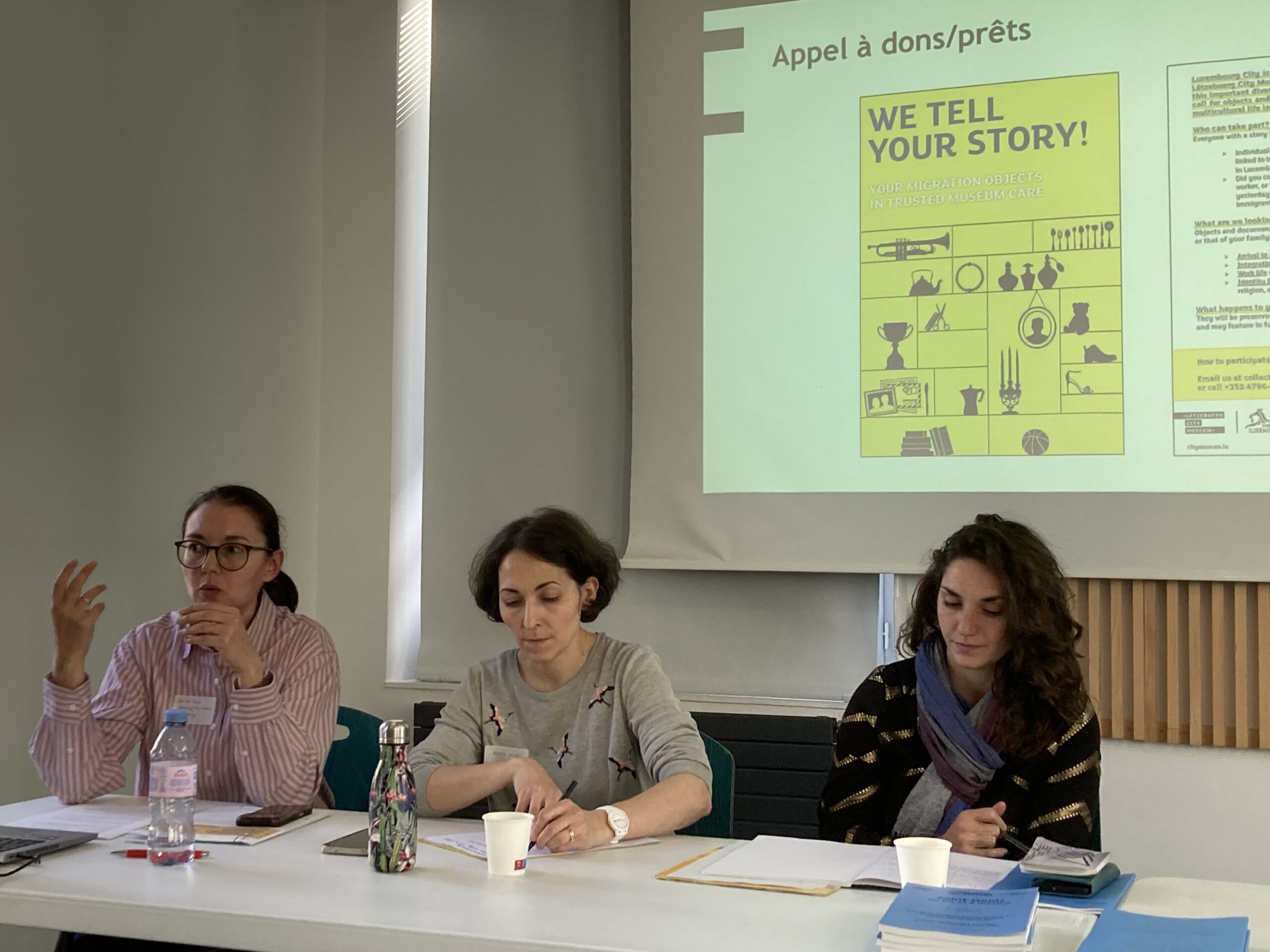
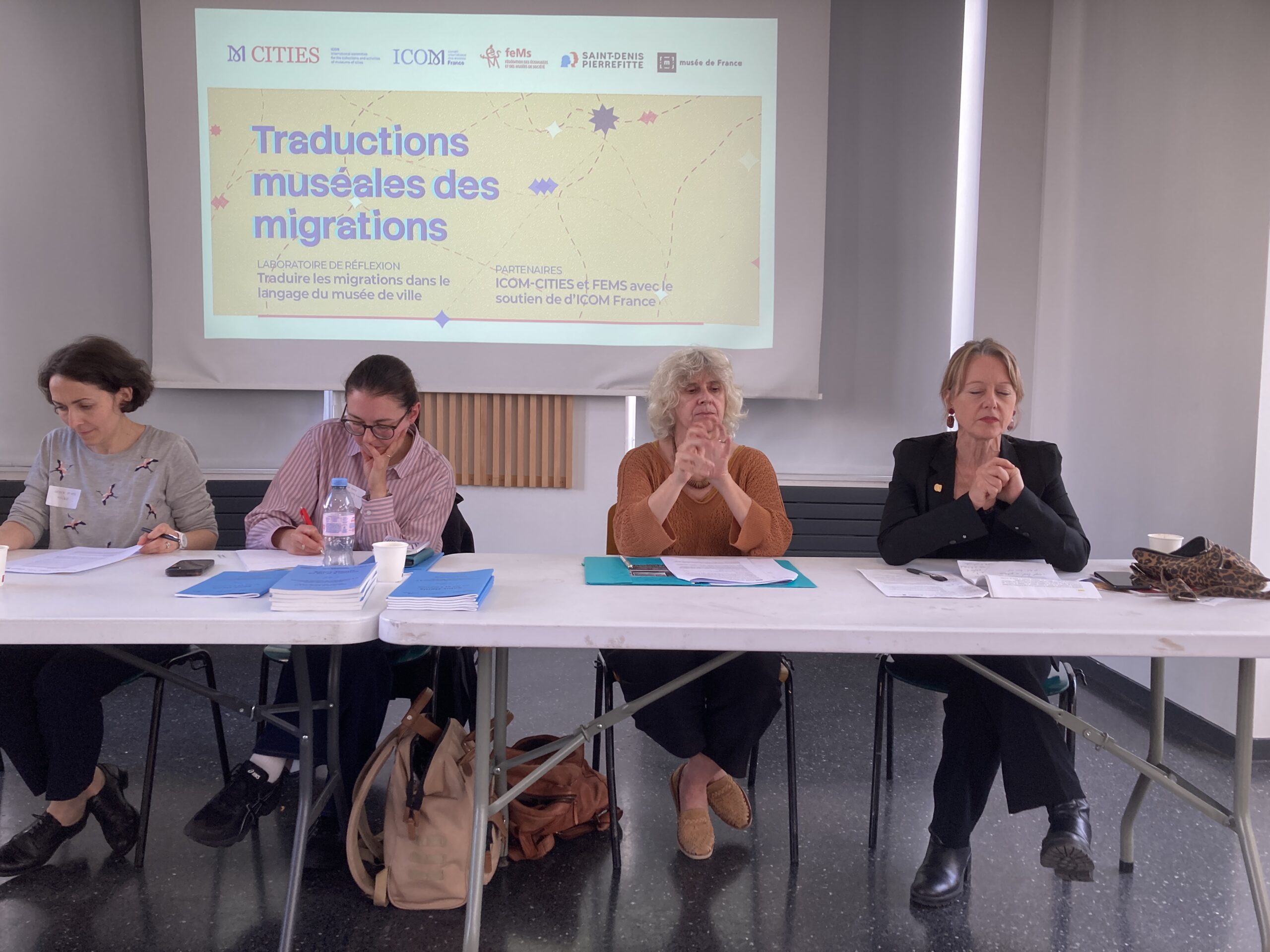
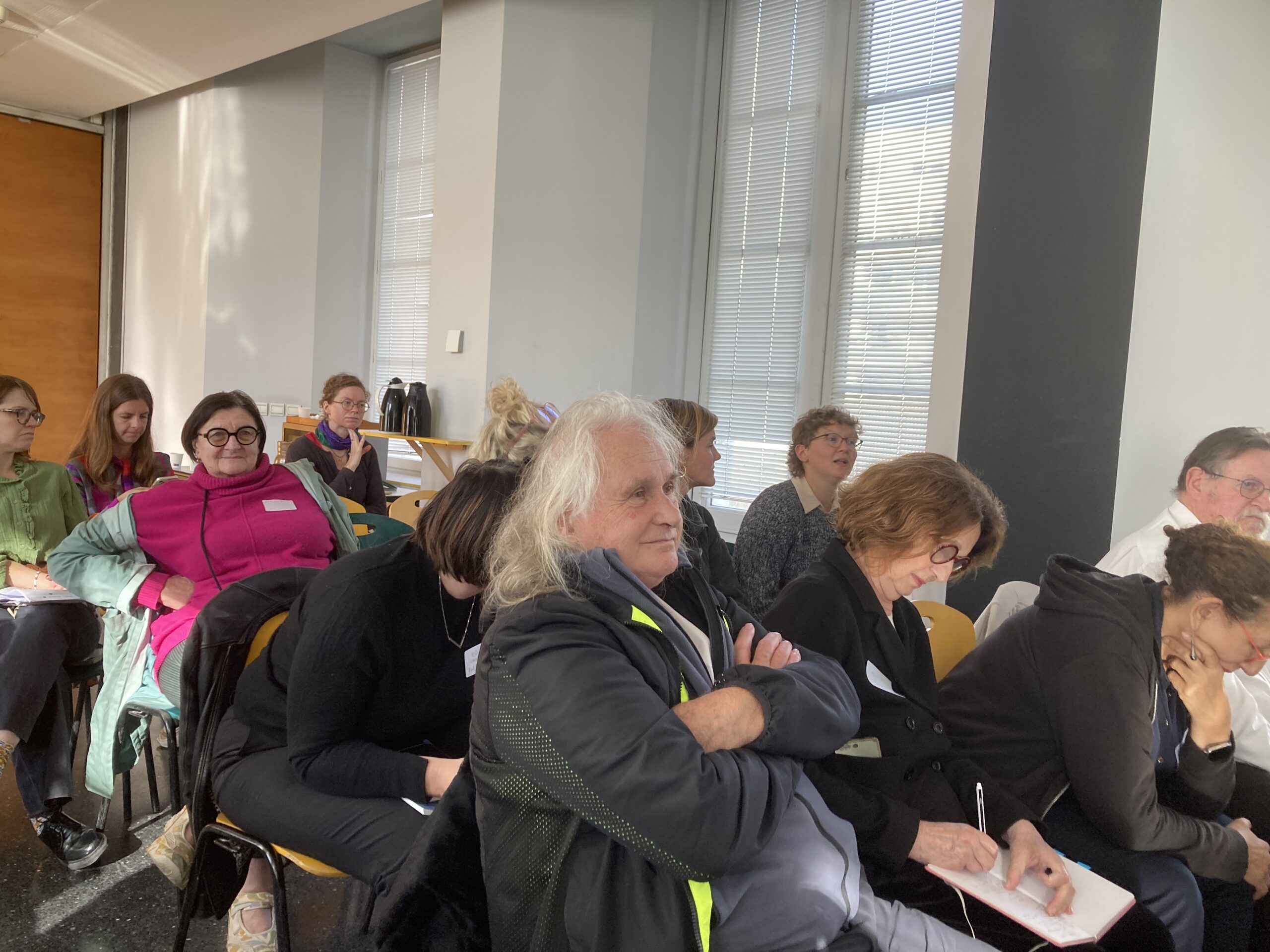
On 14 October, we held the workshop “Translating Migration into the Language of the City Museum” in Saint-Denis, near Paris, France, in partnership with FEMS (Fédération des écomusées et des musées de société) and with the support of ICOM France. More than 20 museum professionals, researchers and cultural practitioners discussed how city museums can translate migration histories into meaningful, locally grounded narratives. The workshop invited us to reflect on how migration can be understood not as a separate theme, but as an integral dimension of urban history and heritage. Through neighbourhood walks, institutional visits, case studies and collective discussions, we explored different approaches to collecting, interpreting and representing the experiences of people who shape the cities they call home.
From Institutional Dialogue to a Collaborative Research Agenda
How do you translate migration into the language of the city museum? That was the question at the heart of “Traductions muséales des migrations”, a study day held on 14 October at the Musée d’art et d’histoire Paul Éluard in Saint-Denis, organised by ICOM CITIES in partnership with FEMS, the federation of ecomuseums and museums of society, and with the support of ICOM France.
The idea grew out of a conversation in 2025 between Valérie Perlès, director of the museum in Saint-Denis, Florence Pizzorni and our vice chair Annemarie de Wildt, about city museums and migration and about the Amsterdam Museum’s neighbourhood shops project. It became a full day of reflection, prepared by a scientific committee with Christine Bellavoine, Andréa Delaplace, Annemarie de Wildt, Valérie Perlès and Florence Pizzorni, and organised on behalf of ICOM CITIES by board members Andréa Delaplace and Annemarie de Wildt.
Saint-Denis: Migration, Urban Change and the Politics of Representation
The location mattered. Saint-Denis, just north of Paris, is one of the most diverse cities in France, with around 130 nationalities. Migration is visible everywhere, in local shops and the informal economy, in diaspora networks and in activism around anti-racist and postcolonial questions. Since March 2026 the city has been led by mayor Bally Bagayoko, who grew up in Saint-Denis in a family with roots in Mali and has been active in local government since 2001. After the 2025 merger with Pierrefitte-sur-Seine, Saint-Denis has about 150,000 inhabitants and is now the largest municipality in Île-de-France after Paris. Deputy mayor Sofia Boutrih opened the day and stayed to listen, a clear sign of the city’s commitment. The museum, whose new scientific and cultural project has just been approved, wants to connect more strongly with its residents and make their experiences visible, and it was eager to learn from colleagues in France, Belgium, Luxembourg and the Netherlands.
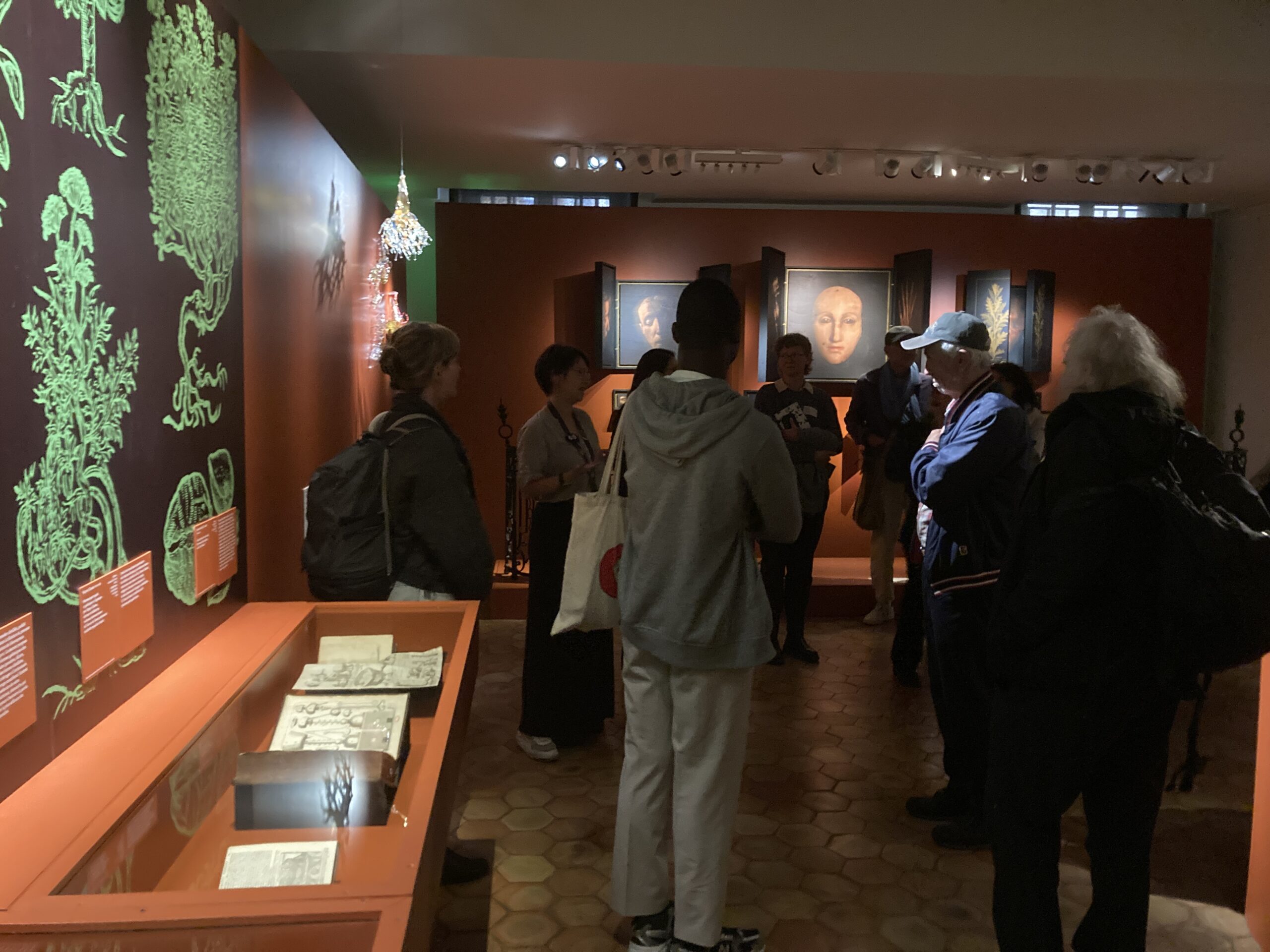
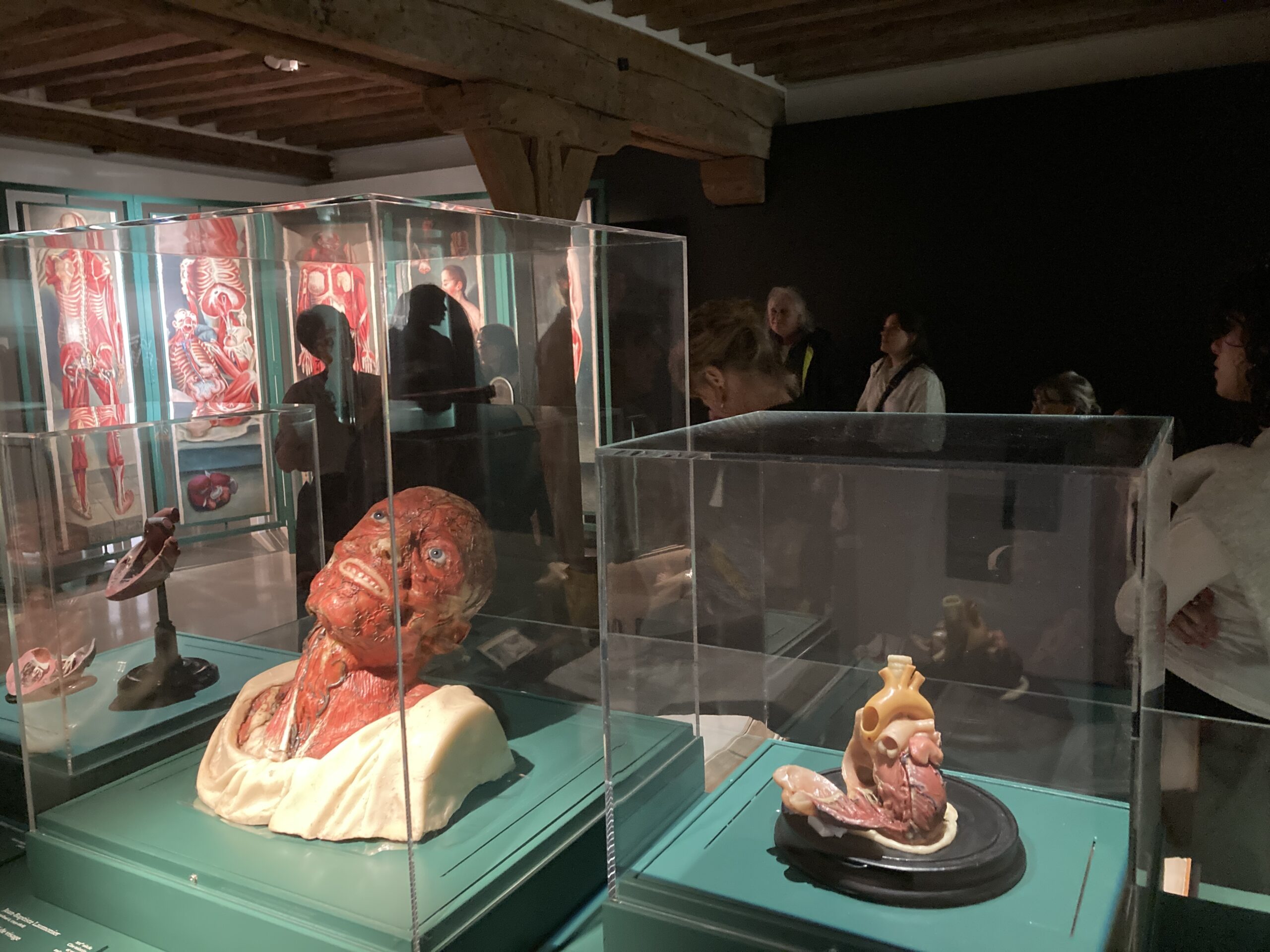
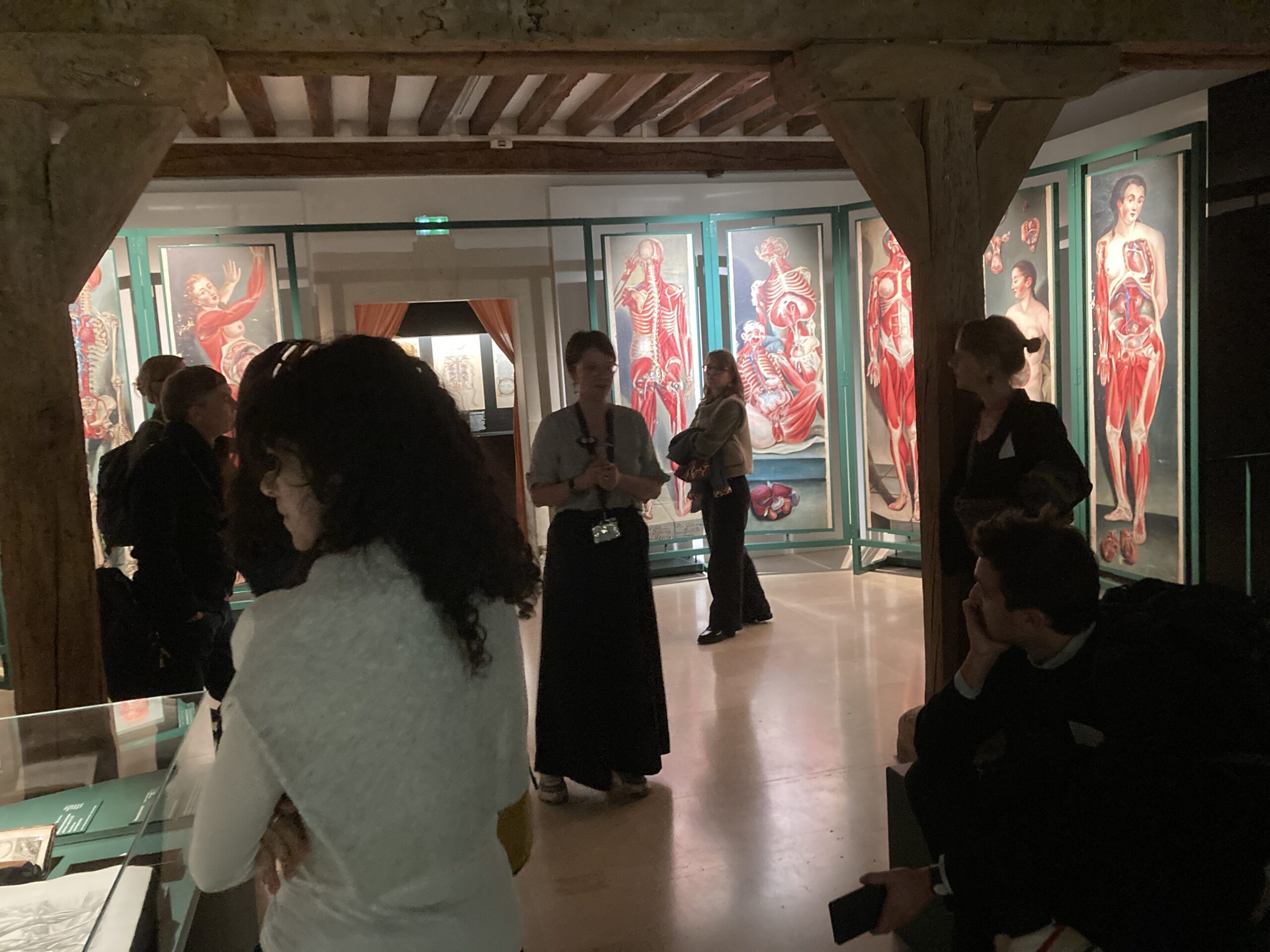
Visit to the Exhibition Croire et Guerir and Images at the Musée d’Art et d’Histoire Paul Eluard in Saint Denis
From Neighbourhood Research to Participatory Collecting Practices
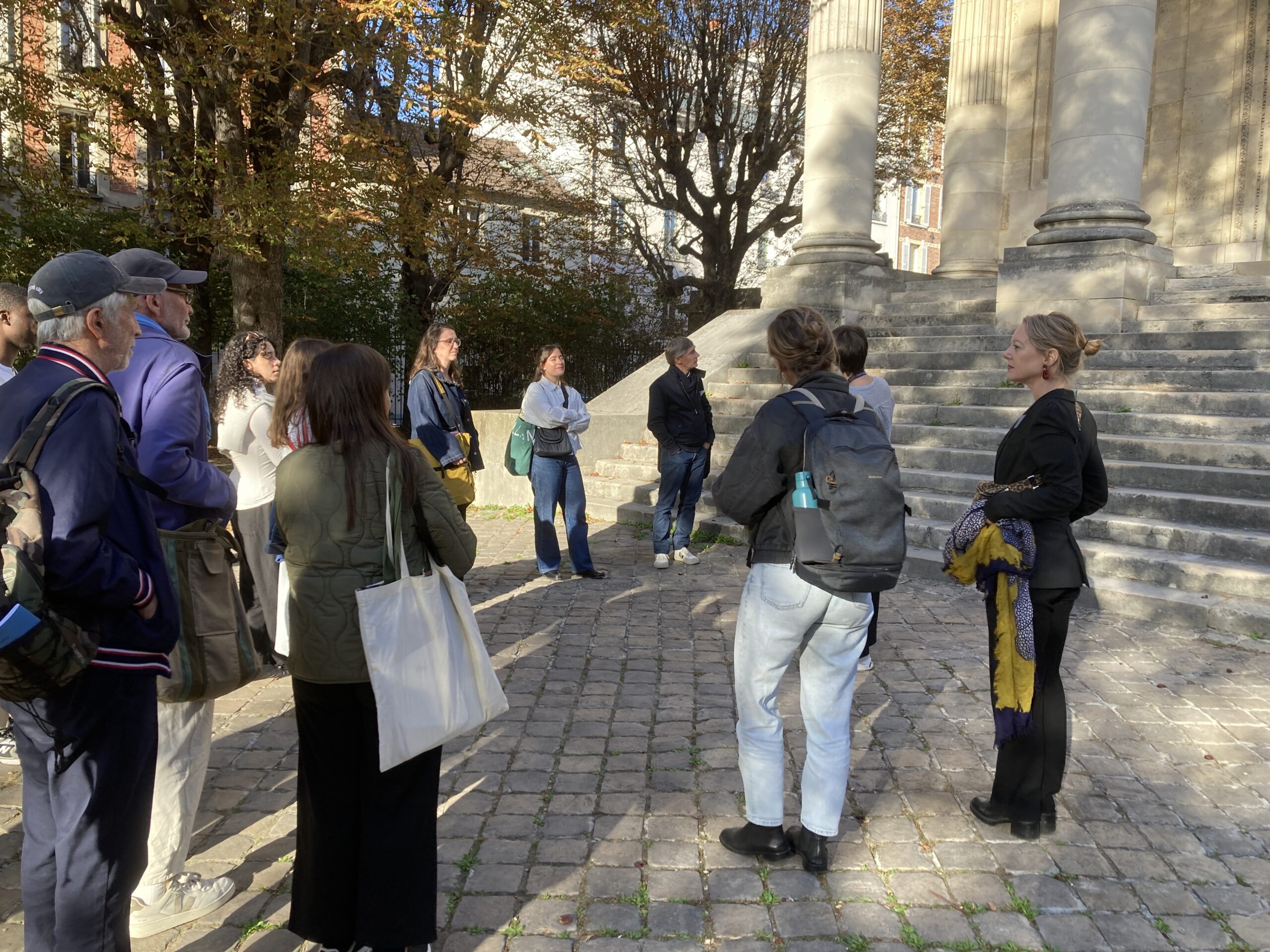
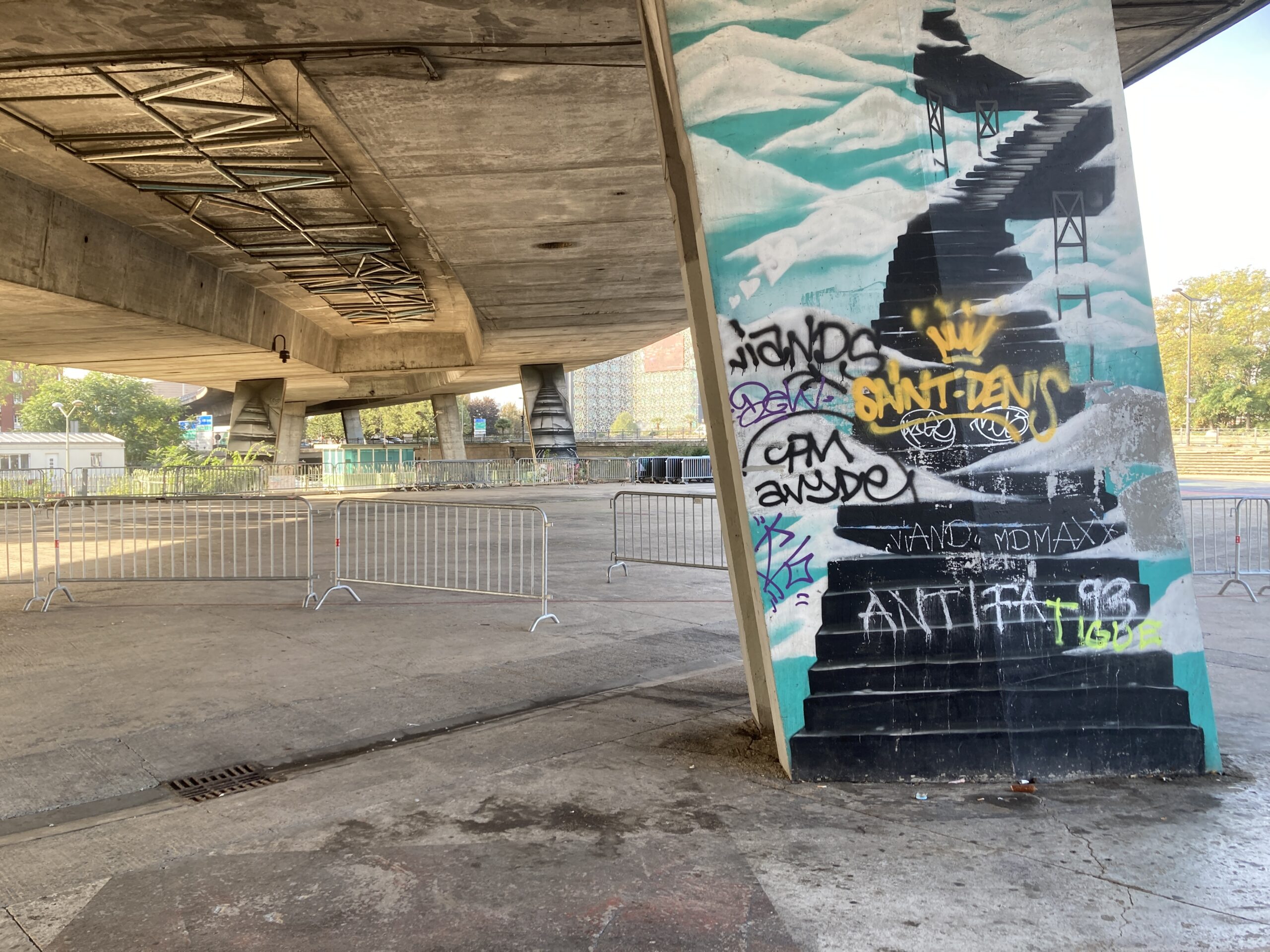
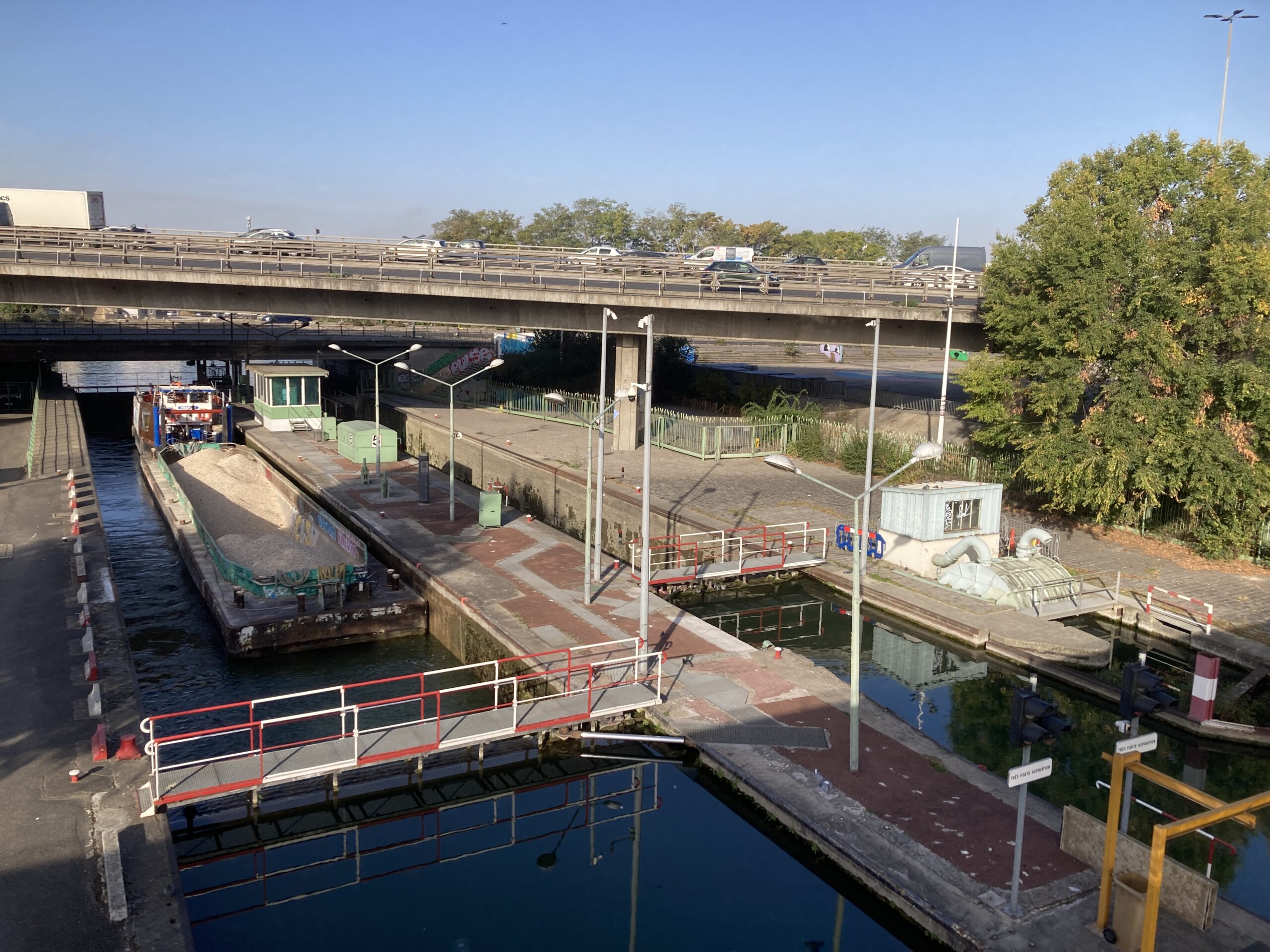
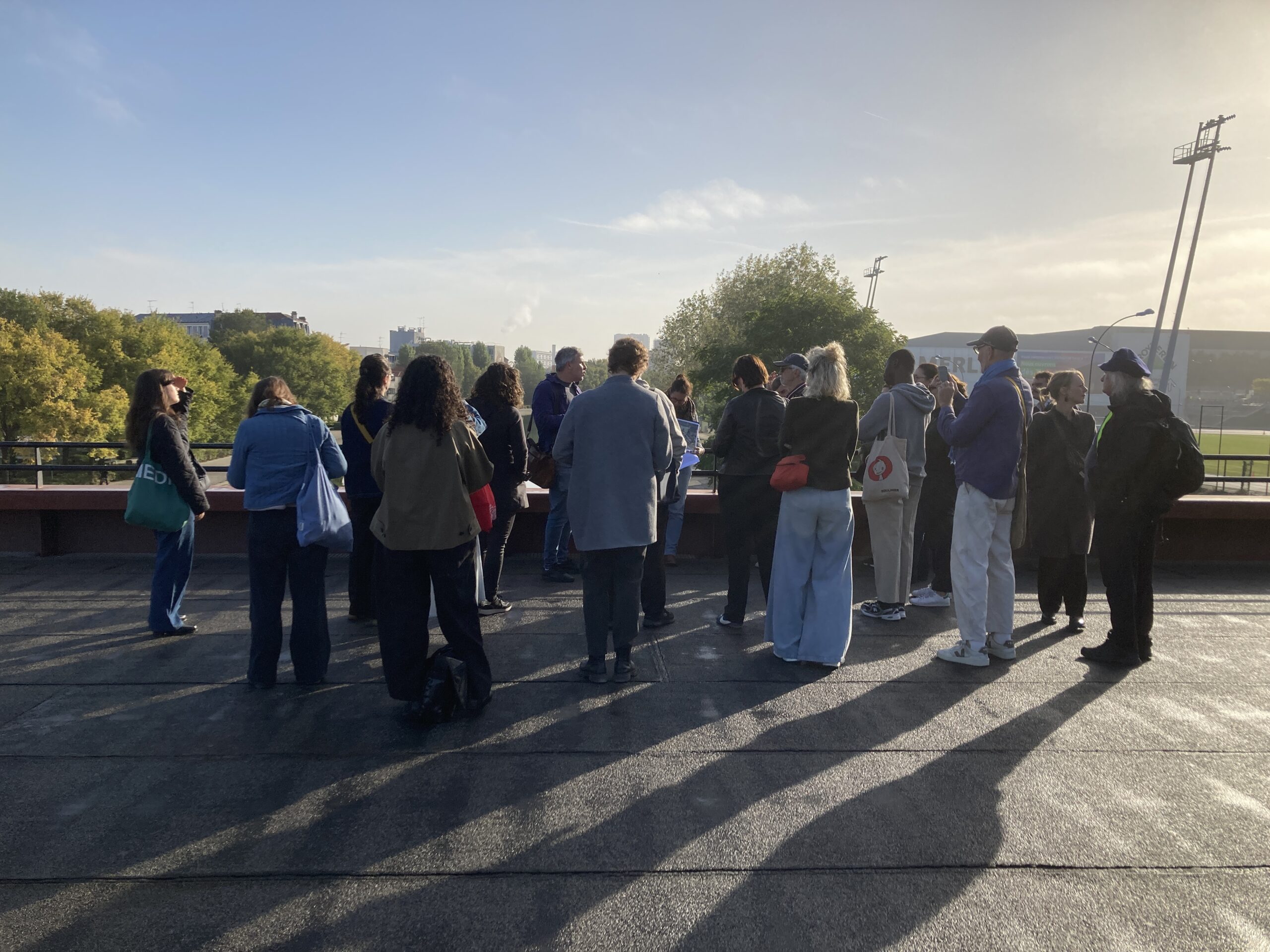
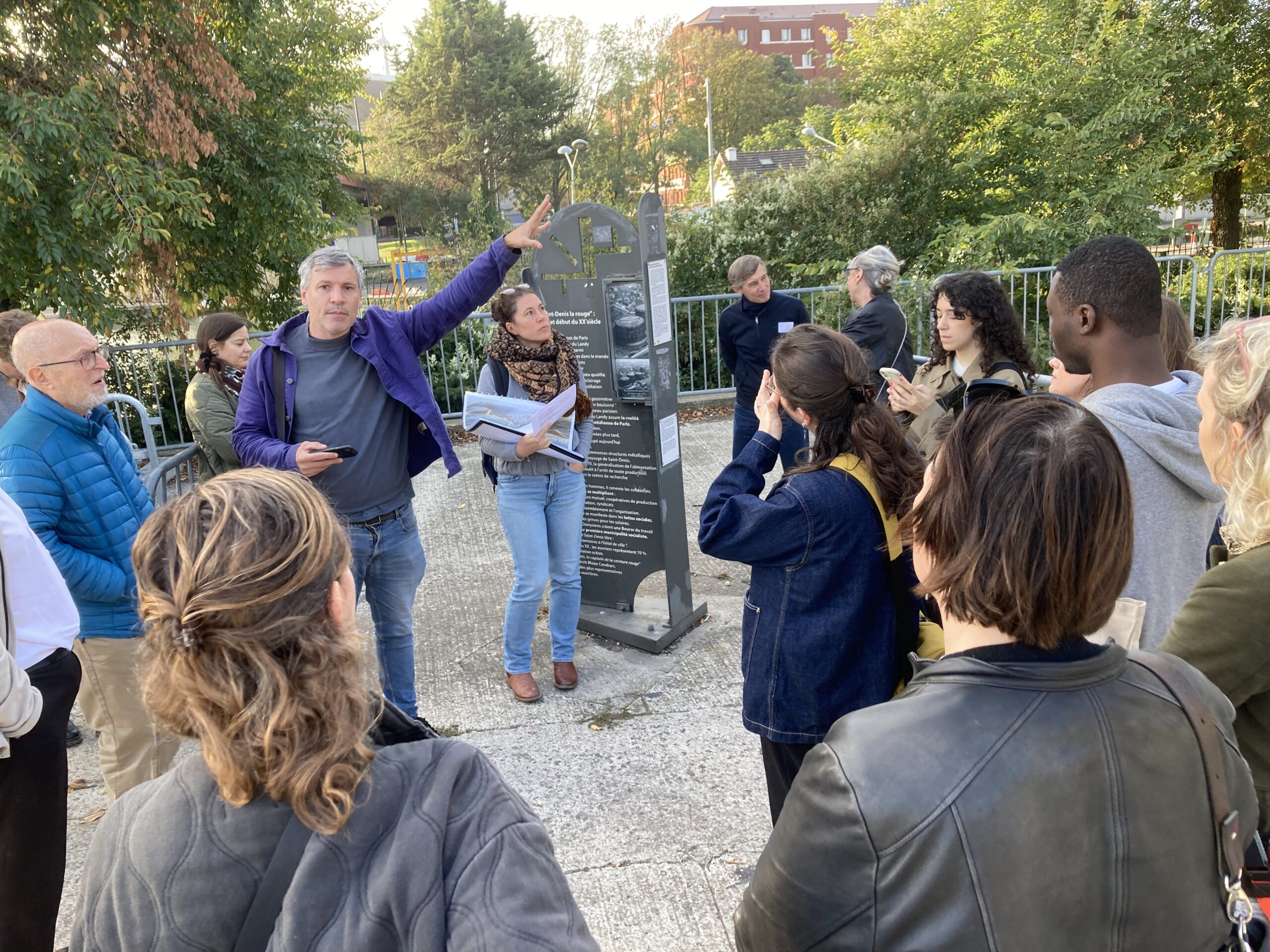
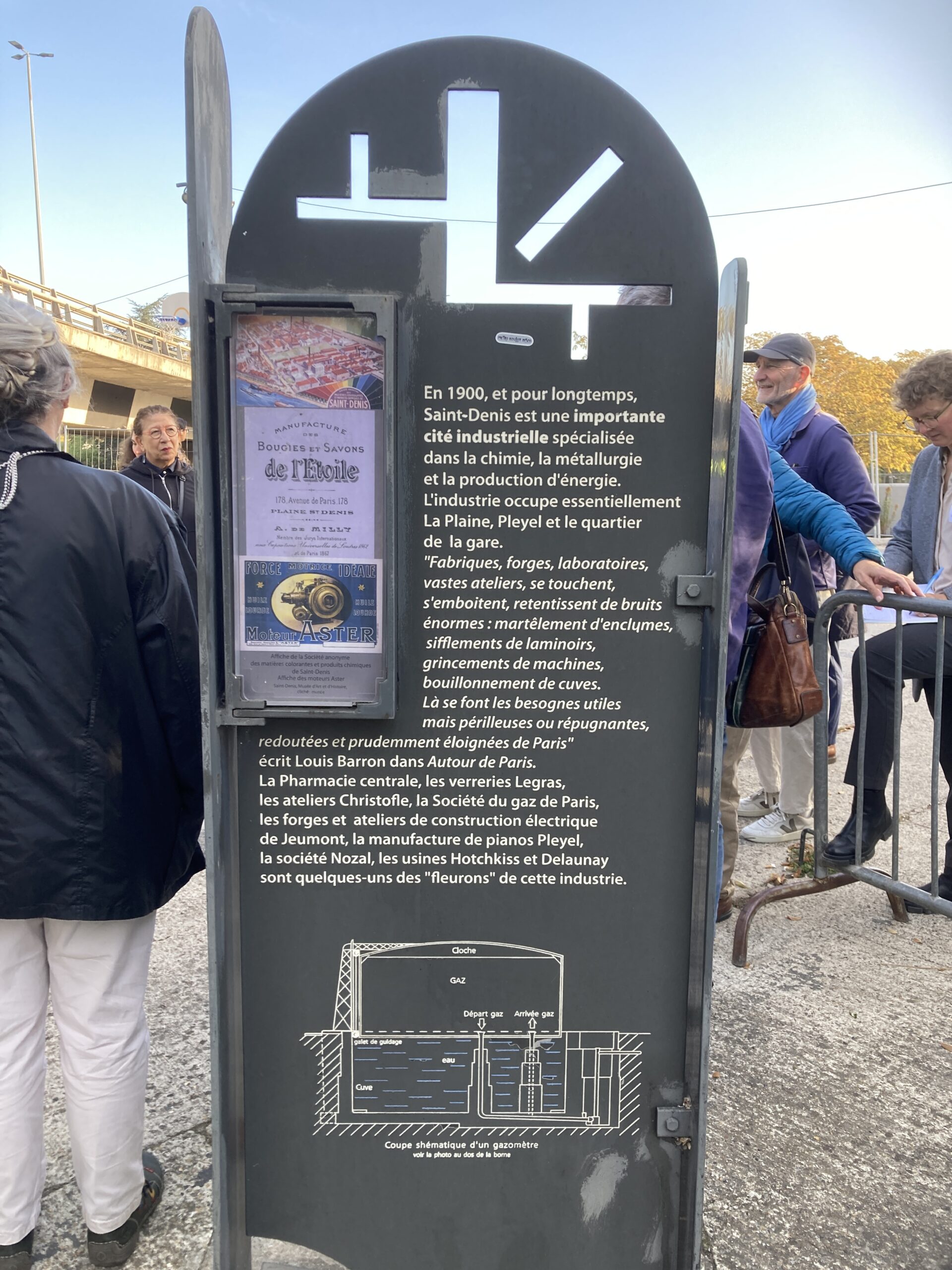
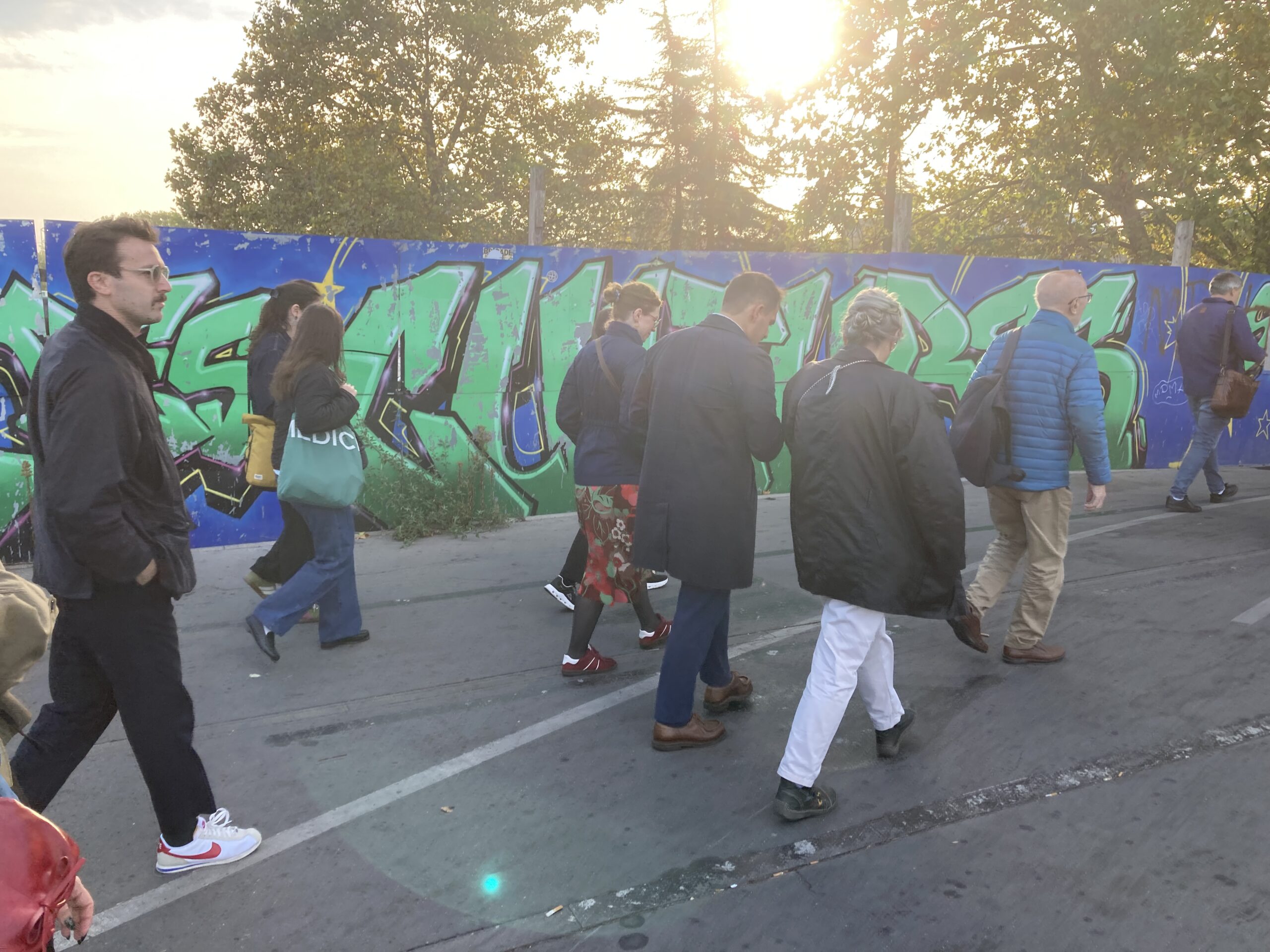
The day began with a walk through the neighbourhood with AMULOP, the association working towards a museum of working-class housing. Then came presentations full of inspiring and honest stories. Andréa Delaplace asked how migration can move from a separate heritage theme to an integral part of urban history. Marieke Vangheluwe showed how STAM in Ghent starts from a square kilometre and its residents rather than from migration as a subject. Muriel Cohen of AMULOP spoke about honouring the voices of people who share personal stories. Olivier Cogne explained how the Musée dauphinois in Grenoble has been representing the diversity of its region since the 1980s. Annemarie de Wildt presented the Amsterdam Museum’s neighbourhood shops project, in which shop windows, signage and shopkeepers’ stories revealed successive waves of migration. Hédia Yelles Chaouche of the Musée national de l’histoire de l’immigration reflected on the role of donors in collecting drives in migrant worker hostels, Sanja Simic presented the collecting campaign of the Lëtzebuerg City Museum in a capital where about 70 percent of residents are not Luxembourgish, Aurélie Schneider shared the Musée Alsacien’s research with Alsatians of Turkish background, and Christine Bellavoine and Valérie Perlès asked whether the informal economy of Saint-Denis can become a subject for the museum. Small group discussions brought in the experiences of everyone present.
Two Paris Museums, Two Approaches to Migration Heritage
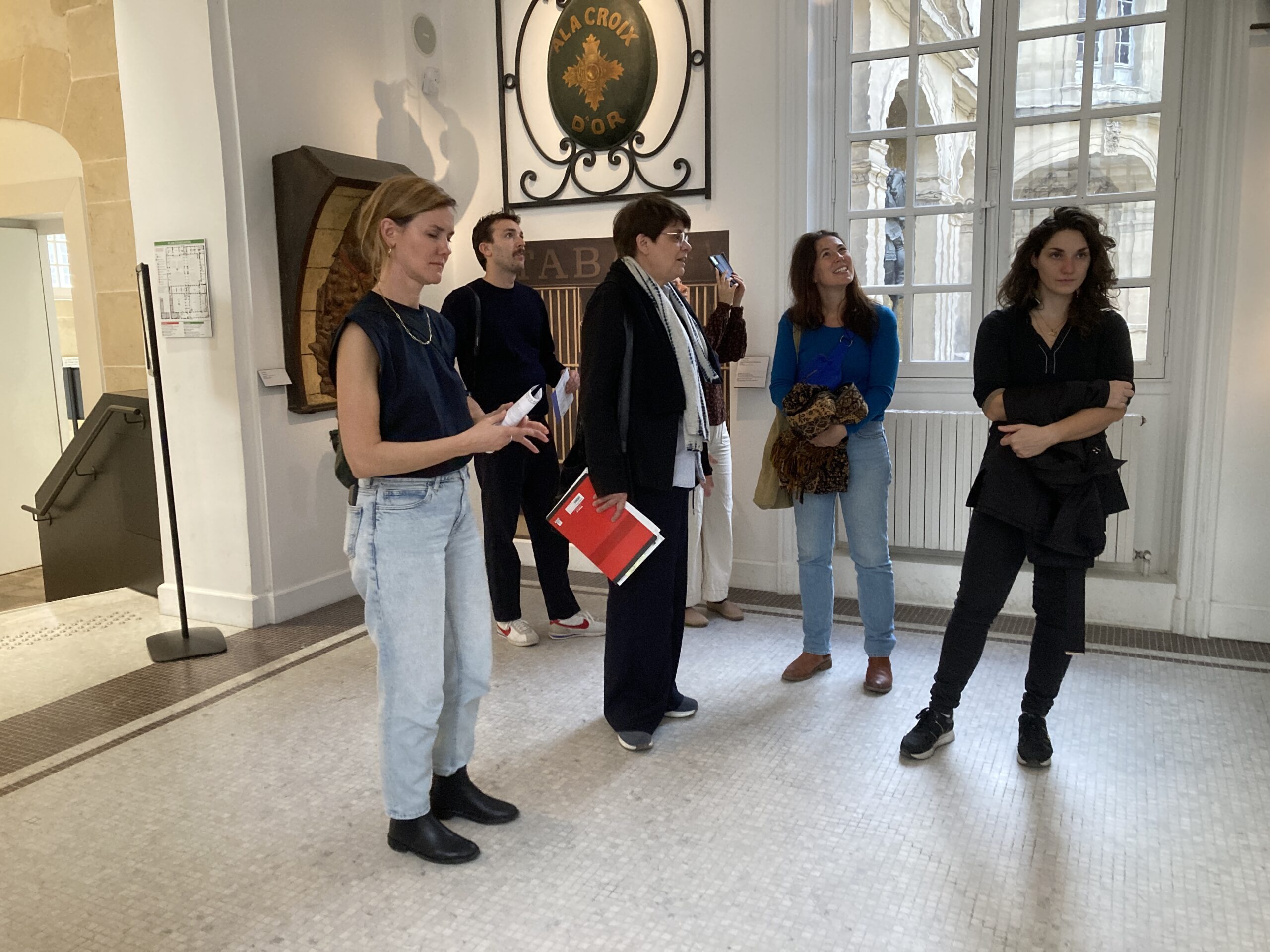
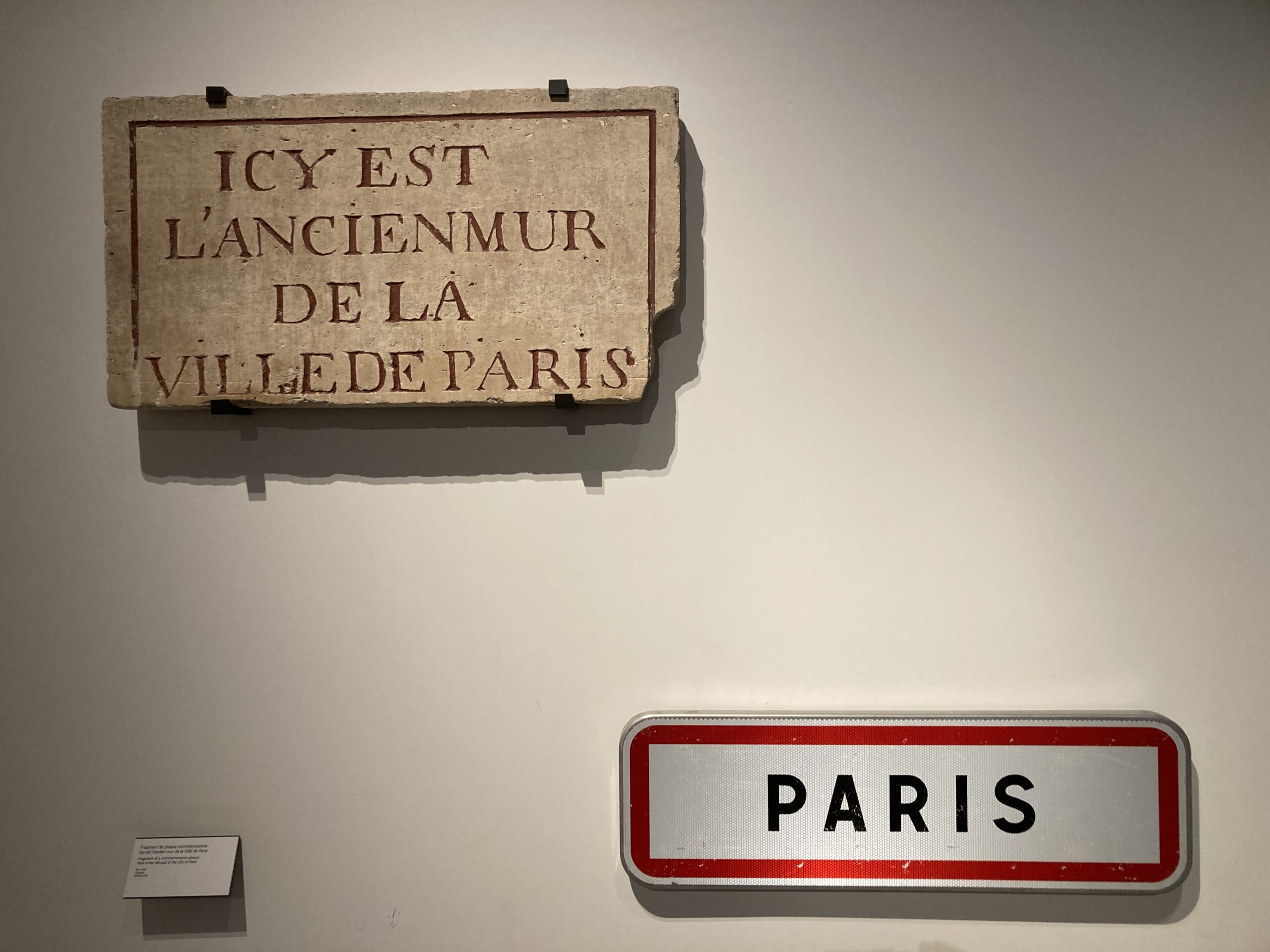
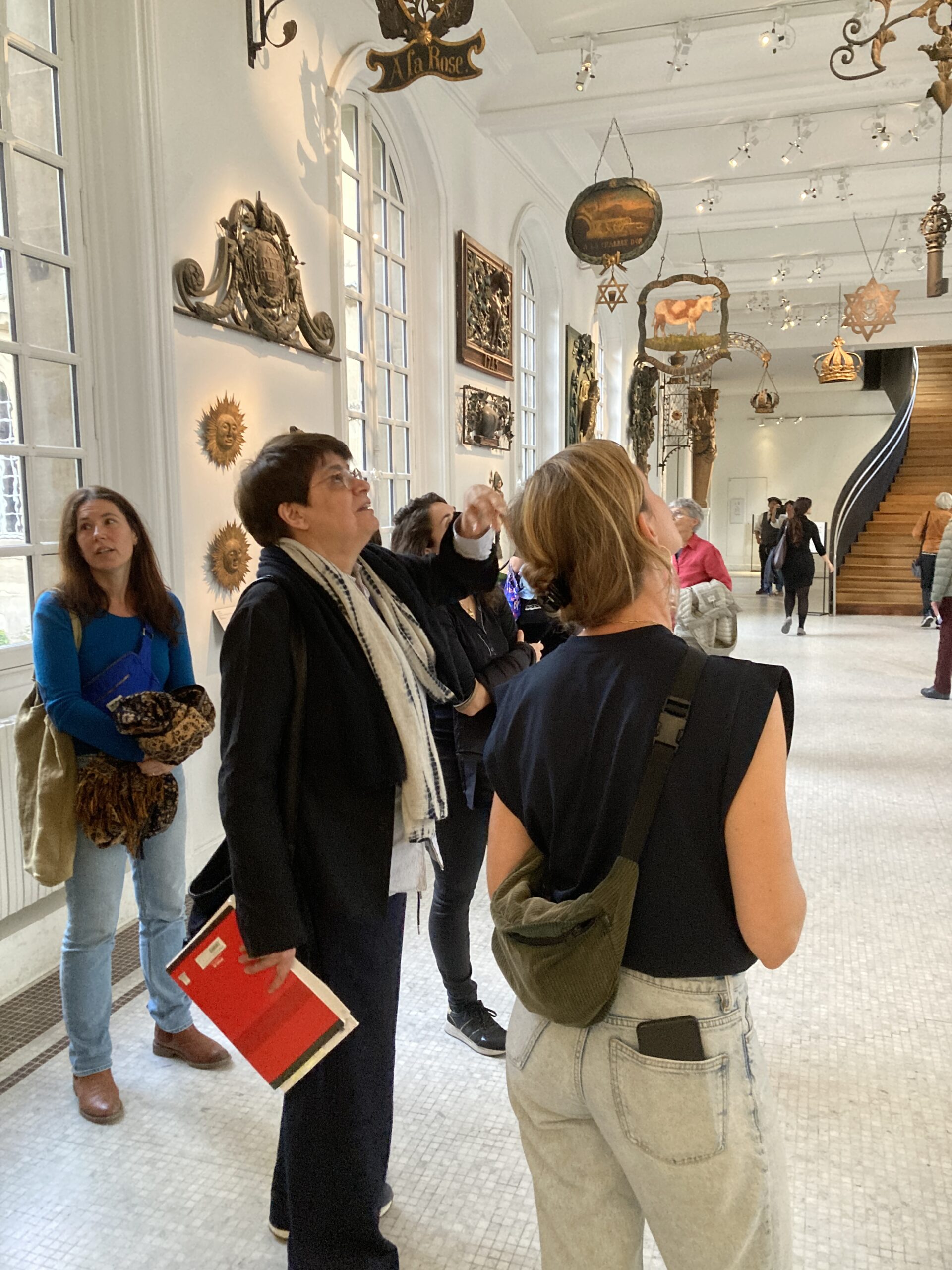
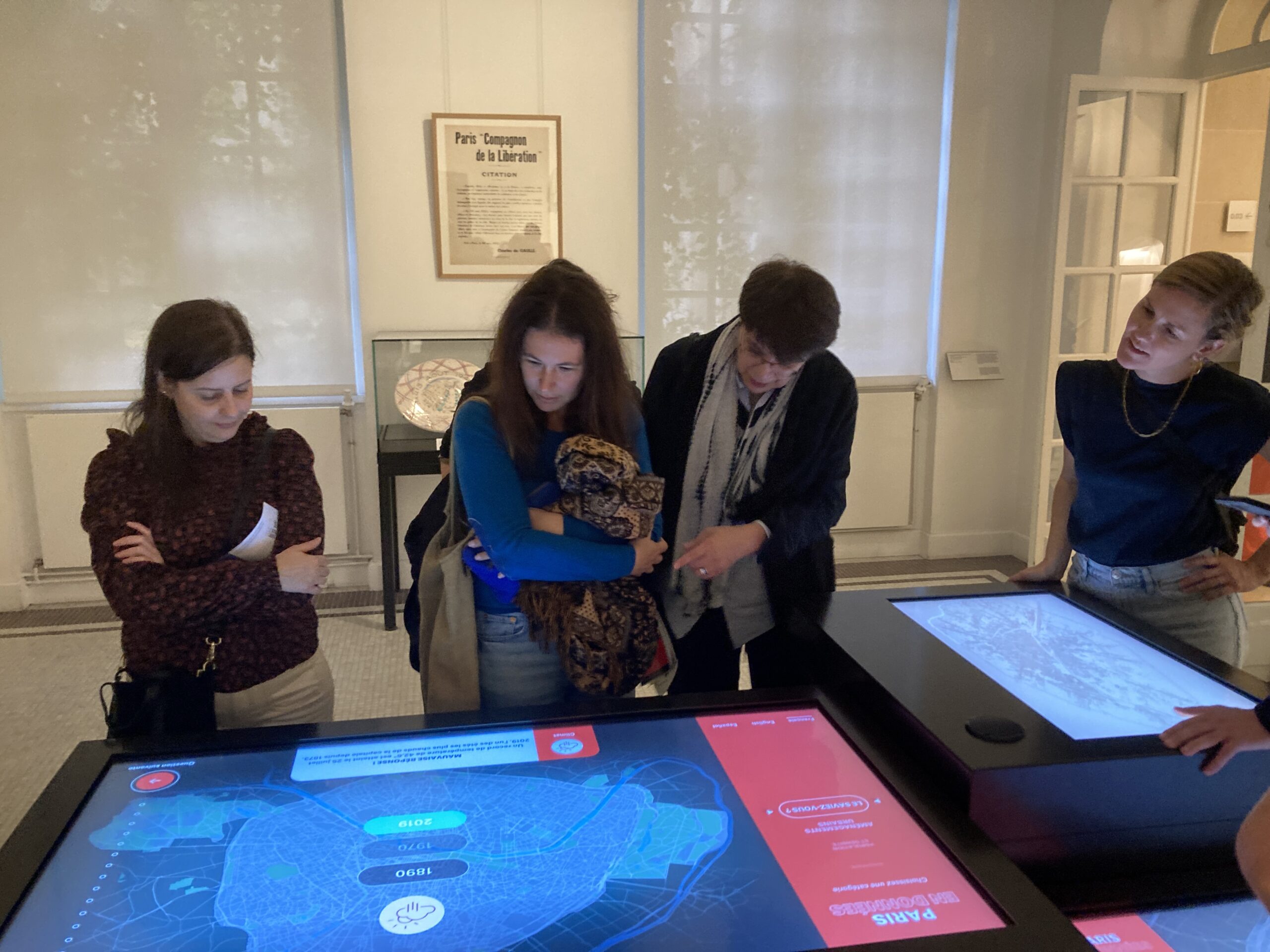
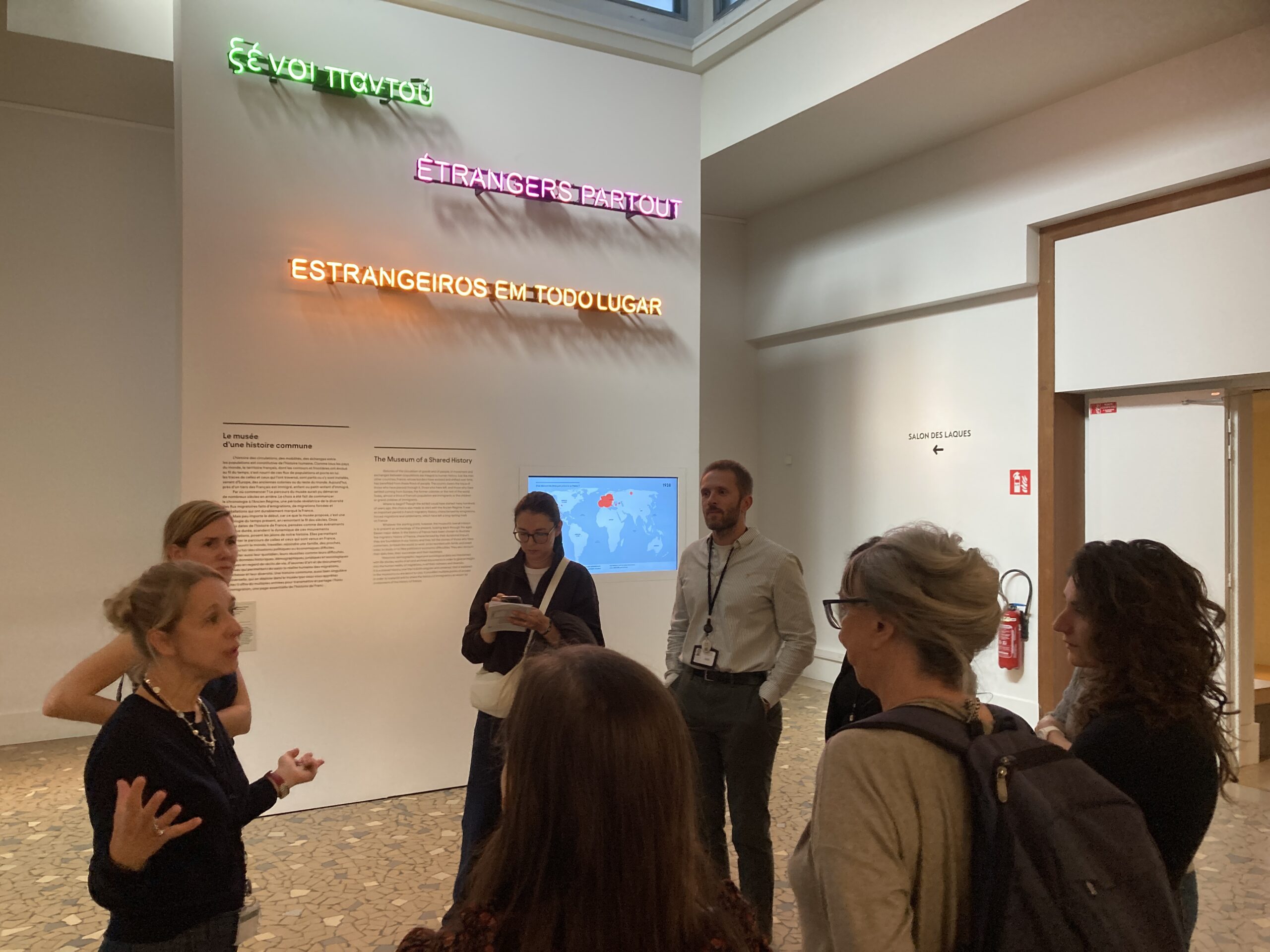
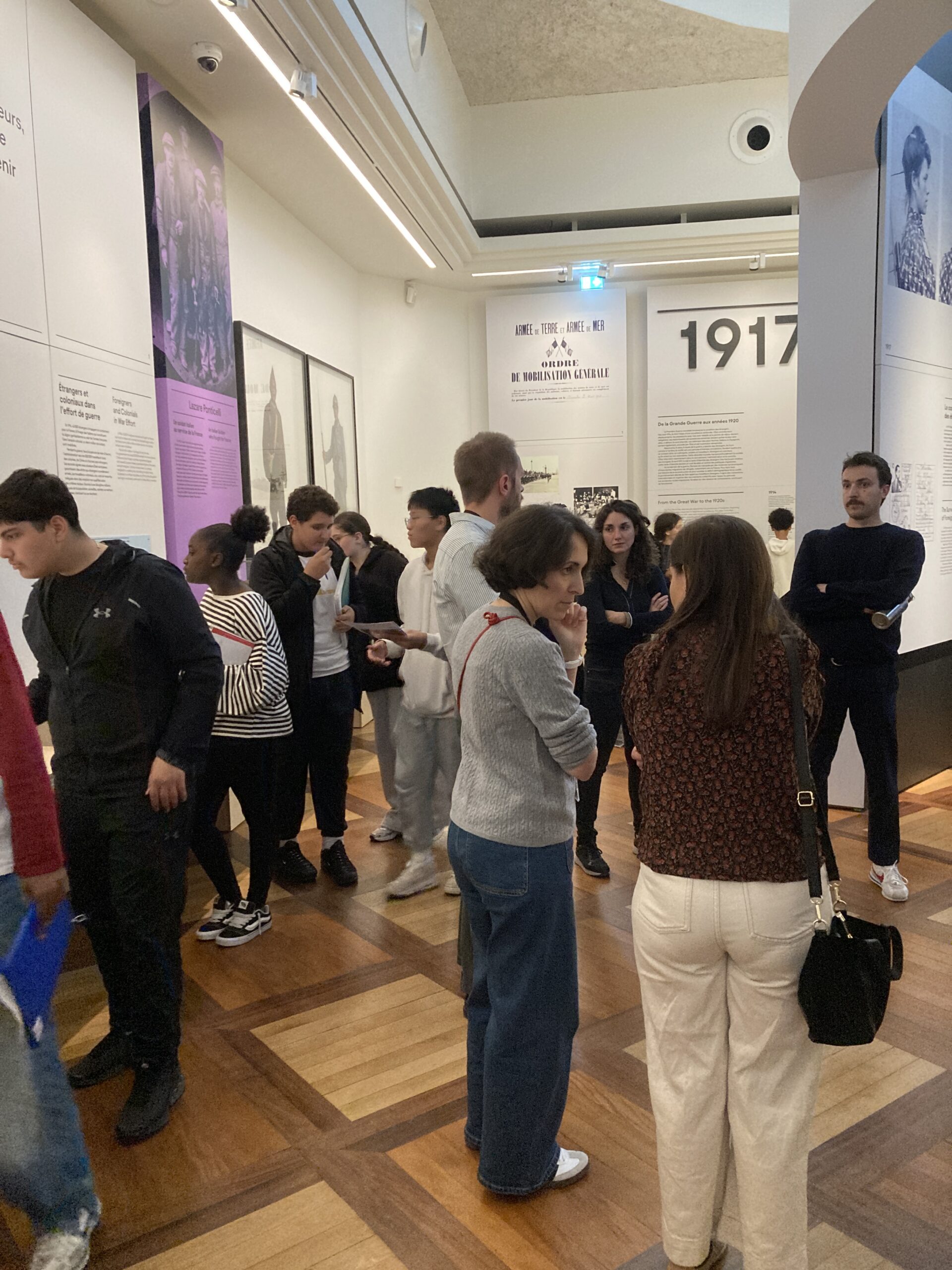
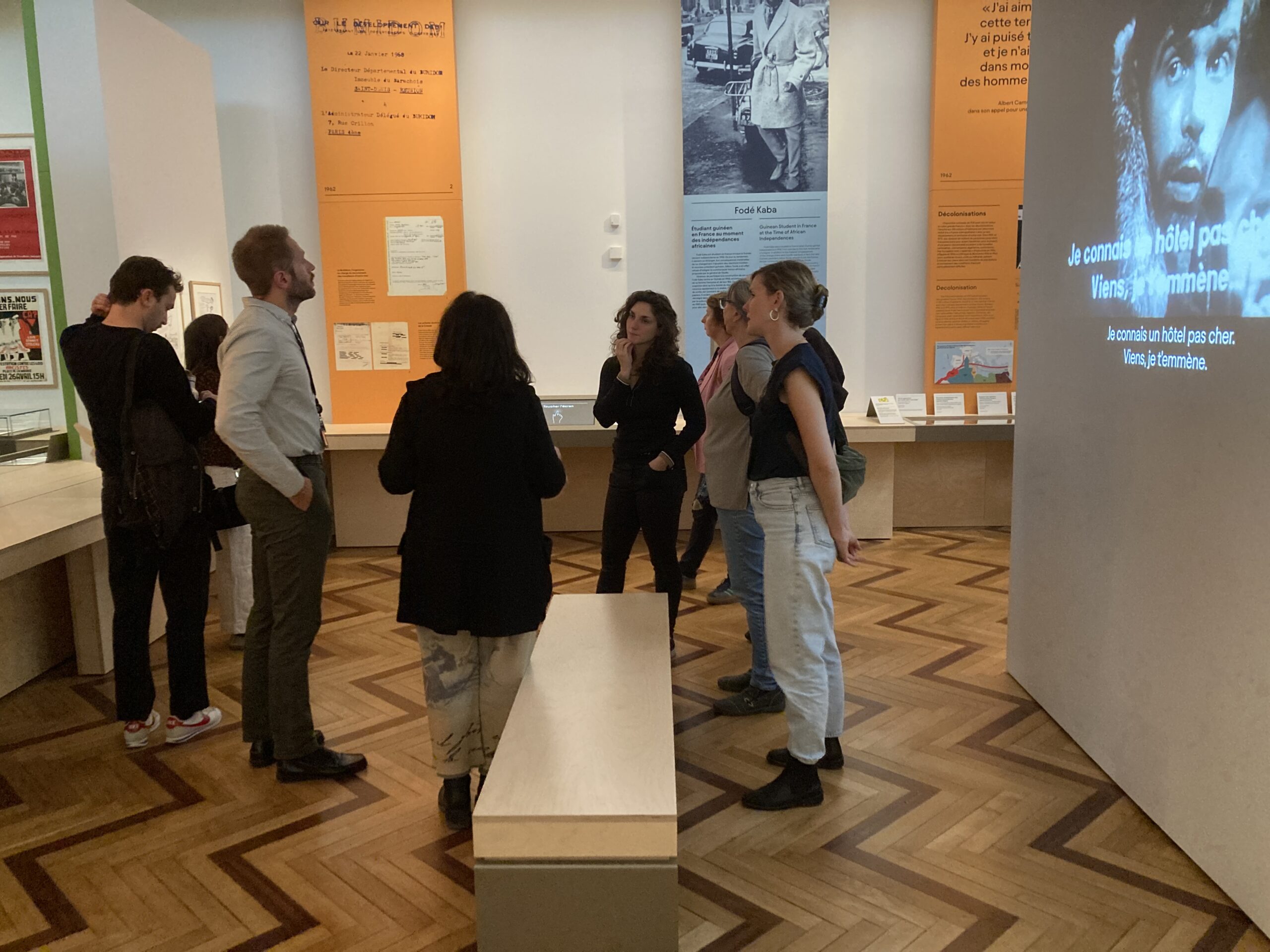
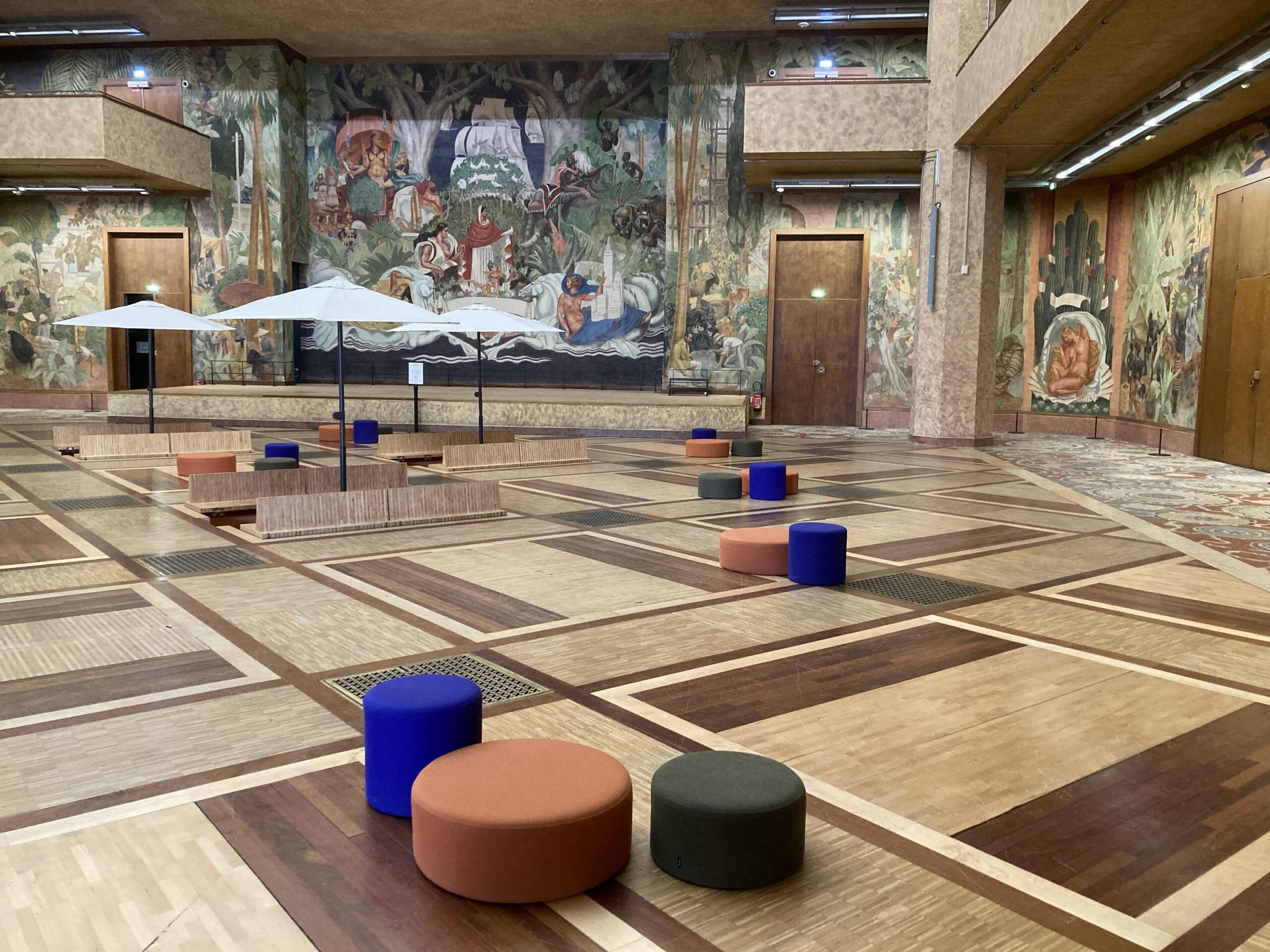
The day before, the speakers visited two Paris museums that showed the range of the French museum landscape. Isabelle Renard, director of curatorship and exhibitions, introduced them to the Musée national de l’histoire de l’immigration in the spectacular Palais de la Porte Dorée, built for the 1931 International Colonial Exhibition. Valérie Guillaume, director of the Musée Carnavalet, welcomed them to the oldest city museum of Paris, renovated but still saying relatively little about migration. Between these two and the ecomuseums and museums of society represented in Saint-Denis, the group saw how differently French institutions approach the stories of the people who make their cities and territories.
Visit to the Musée Carnavalet
Visit to the Musée National de l’Histoire de l’Immigration
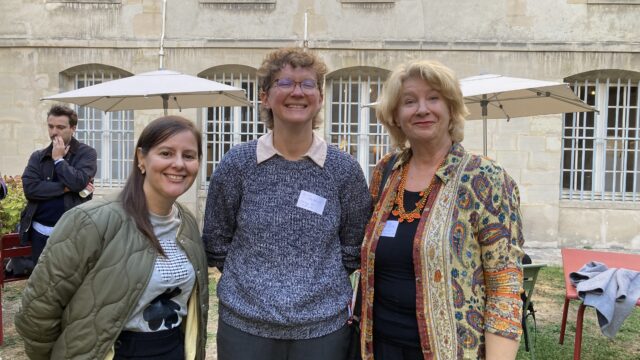
We are also very pleased that Alice Clarebout could attend with a bursary. Alice is a PhD candidate in Social and Political Sciences at the University of Liège and founder of MeM, Mémoires en Mouvement (memliege.be), a museum project that shares knowledge about migration through science communication, the arts and memorial heritage. She will write a report on the day, so its insights can reach a wider audience.
City Museums as Spaces for Nuanced Public Histories
At a time when migration is so polarising in public debate across Europe, city museums can offer something rare: nuanced, research-based stories rooted in the places where people actually live. Our warm thanks to Valérie Perlès and her team, to FEMS and ICOM France, to all speakers and participants, and to the Sœurs Chevalme for the beautiful visual.